The Climate Refuge and the Promise of Adaptation
Cincinnati’s planning for climate migration shows how affordable housing and local resilience could protect newcomers and longtime residents alike.
As floods, wildfires, and droughts intensify, the notion of the climate refuge offers an undeniable allure. Urban boosters have recognized climate advantages as a promising angle for cities suffering from postindustrial decline. “Climate proof Duluth” and Buffalo’s weather going “from punchline to lifeline” have given local growth campaigns a new spin.
But many climate professionals and communities have argued that this marketing perpetuates a myth. These campaigns have risked attracting wealthy newcomers and displacing low-income residents in cities with entrenched poverty and segregation. In Buffalo, New York, urban planning professor Henry Louis Taylor warned that property owners would maximize profits rather than providing access to housing under the climate haven rubric. In Duluth, Minnesota, residents expressed concerns about an ongoing housing crisis that would be exacerbated by migrants. Aging housing and infrastructure are unlikely to be up to the task of accommodating newcomers. Unavoidably, climate impacts will wreak havoc in these destinations as well.
When Hurricane Helene killed hundreds, left thousands without power, and devastated Asheville, North Carolina—a city previously touted as a climate refuge—backlash swelled against the climate haven idea. No location is truly climate proof. And turning to migration would mean giving up on adaptation, leaving behind sacrifice zones, and covering for government failures.
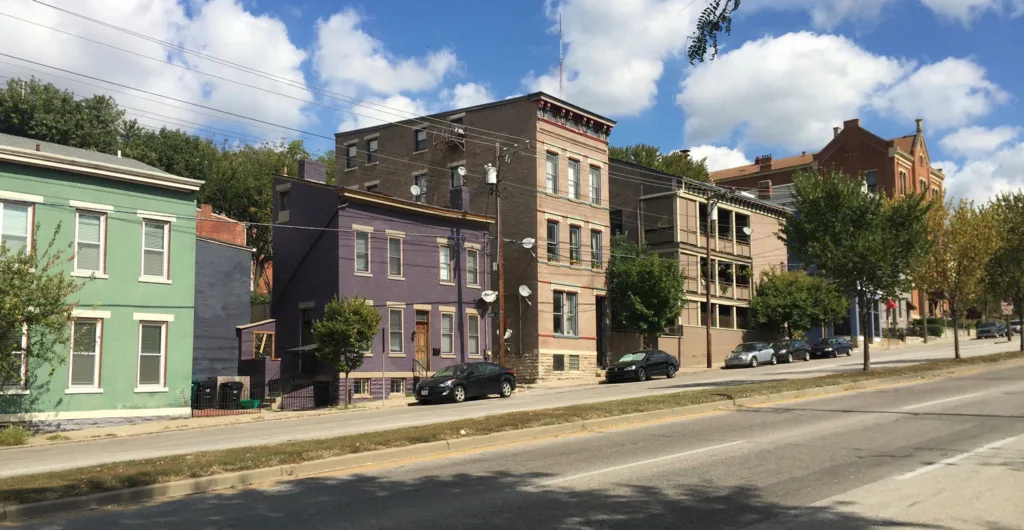
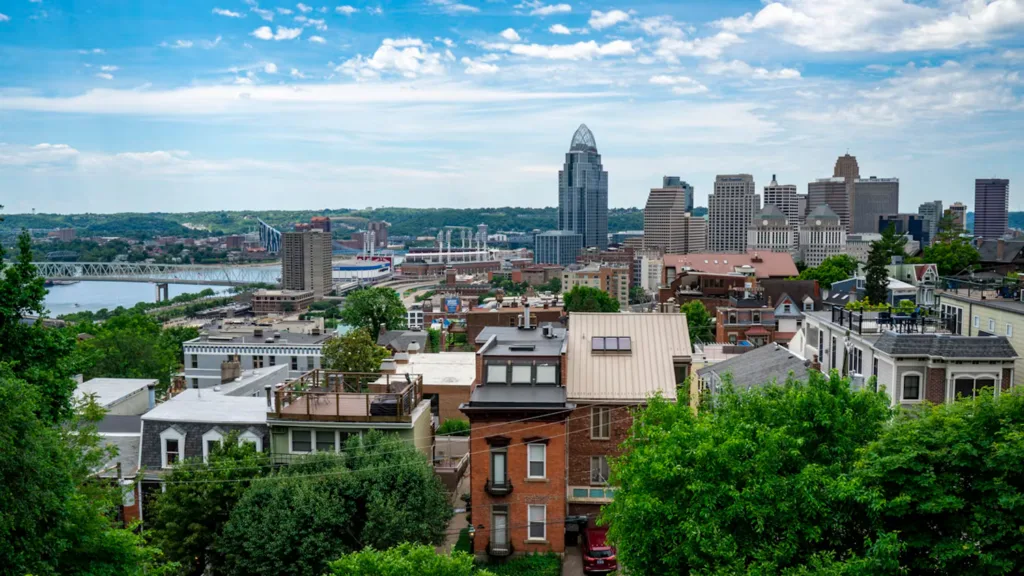
Recently, one city has offered a glimpse of what learning from these critiques might look like. Earlier this year, Ohio’s City of Cincinnati released the first standalone Climate Migration Readiness Plan.
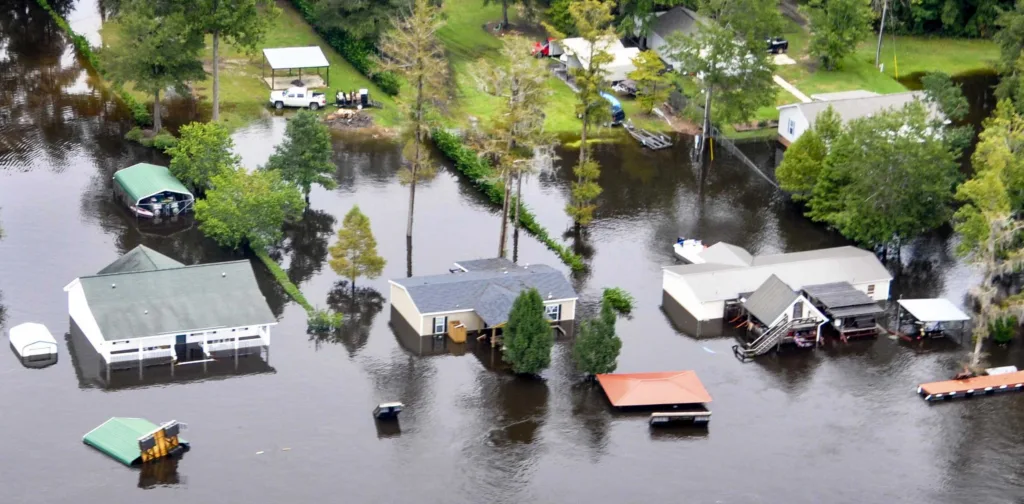
As escalating climate displacement has become a hallmark of a destabilizing climate, this type of preparation is increasingly necessary. All too frequently, storms and fires have devastated neighborhoods, leaving inhabitants desperately seeking housing. In 2024, 11 million Americans were internally displaced due to natural disasters. While many returned home, approximately 10 percent were still displaced after a year. Cities from Orlando, Florida, to Grand Rapids, Michigan, have recognized that people who are displaced, and others seeking respite from chronic climate stresses such as wildfire smoke, need somewhere to go. While many will stay close to home, others may choose to move longer distances.
Planning to receive climate migrants can no longer be dismissed as a place-branding fad. And paradoxically, early efforts to plan for climate migration may chart a new, integrative approach to adaptation that could redefine practice and transform the field.
Only a handful of cities have explicitly tackled this planning challenge. In 2018, the City of Orlando recognized that they should expect a growing number of newcomers from the Caribbean and coastal Florida due to hurricanes. In 2021, the City of Worcester, Massachusetts, observed that the city could become “the ‘climate refuge city’ of choice” as people on the coast moved inland. And in 2025, Grand Rapids proposed that the city “consider the potential impacts of climate-related migration” in their programs for housing diversity. In contrast to these tentative forays, Cincinnati has gone to great lengths to incorporate early lessons from the field.
First, the region has explicitly rejected opportunistic marketing of the kind that appeared in earlier climate havens. Zeroing in on Duluth, planners noted that a campaign to brand the city “climate-proof” made residents uncomfortable and raised ethical qualms about profiting from climate change. The Cincinnati Regional Chamber deliberately adopted a different approach, issuing the Climate Migration Outlook, a report exploring how climate migration could reshape the area by 2050. The report emphasizes affordability and quality of life. It also recognizes that the notion of climate migration is overly simplistic, because climate is always intertwined with other factors that people consider when moving.
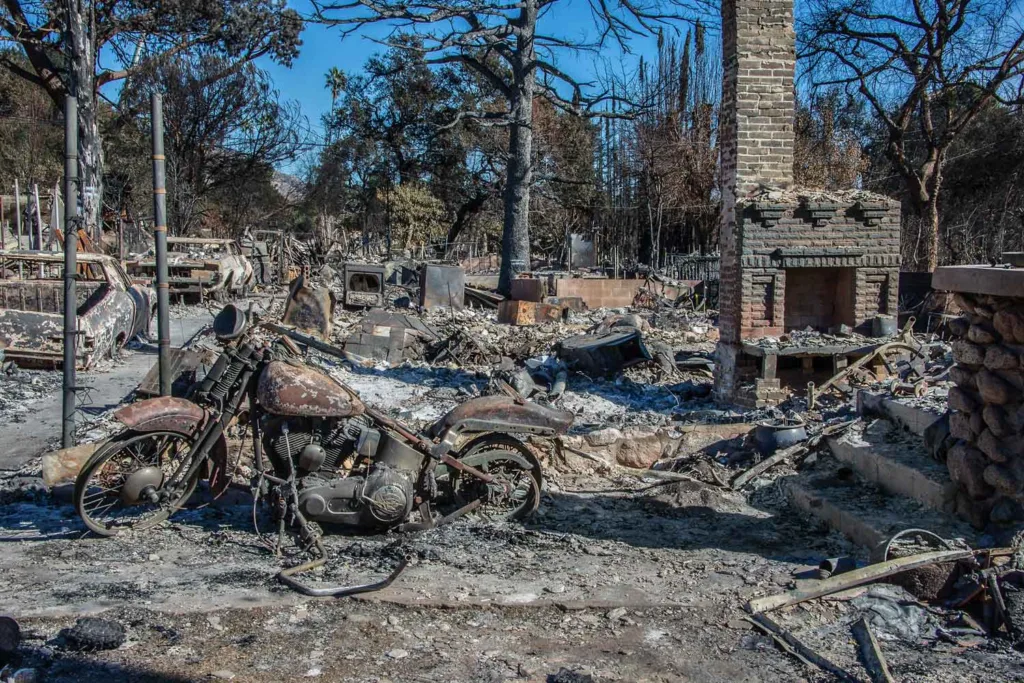
Second, Cincinnati is tackling well-founded fears of gentrification and displacement head on. Cities from Buffalo to Chico, California, have received influxes of newcomers after disasters, leaving low-income residents vulnerable to rapid displacement. After the Camp Fire in Paradise, California, close to 20,000 survivors landed in Chico, and in the ensuing six months, housing prices climbed 15 percent. Similarly, Covid-related migration illuminated the risks of voluntary climate migration. At the height of the pandemic, high-income professionals fled cities like New York and Boston, driving up prices for longtime residents in the Hudson Valley and Vermont.
In Cincinnati, city planners engaged with current residents to understand their priorities and made those central to the plan. To address concerns about housing security and affordability, planners built on a strategic housing playbook, which assesses neighborhoods for displacement risk, and recent zoning reforms that allow construction of more multi-family housing. Unlike a previous generation of adaptation plans, this one recognizes the connections between increasing climate extremes, housing precarity, and economic insecurity. Centering housing may be more than a strategy tied to the current crisis. It may signal a paradigm shift in adaptation, as practitioners confront longstanding critiques that climate plans value trees over housing and property over people.
Finally, the plan acknowledges that local climate impacts—extreme precipitation, flooding, and heat—will intensify. Shortly after the mayor announced the plan, Cincinnati residents suffered days of wildfire smoke. Through the haze, a lesson became clearer than ever: there is no such thing as a naturally occurring climate refuge city. Rather, they must be planned, designed, and built with adaptation at the core.
In one effort to address this, Cincinnati’s plan refers to a growing network of small-scale climate refuges (also known as resilience hubs), places where people can shelter during extreme weather or after disasters. A growing best practice for cities cultivating adaptation capacity, networks of resilience hubs have been popping up in cities including Baltimore, Maryland; New Orleans, Lousiana; Barcelona, Spain; Bologna, Italy; and Melbourne, Australia. The best transcend their utilitarian remit, providing delightful social spaces that may even encourage visitors to imagine alternative futures. In Madrid, Spain, one climate refuge installation offered a Political Fictions Crisis Cabinet for the public to explore and design solutions to political and ecological challenges. But most simply provide essential services for residents who lack sufficient cooling, heating, or storm-proofing at home.
Now cities like Chicago and Minneapolis have joined a recently established Great Lakes Receiving Network, a peer-learning initiative supported by the think tank New America. These cities and other potential Midwest partners will engage in scenario planning and community conversations as they learn from Cincinnati’s example and develop their own receiving plans. If they also reject simplistic marketing, center housing, and build local resilience, they may help turn the climate refuge from a delusion to an imperfect, yet promising, reality.